Origin of the Devil Pups Program

HONOR • DISCIPLINE • PATRIOTISM

Origin of the Devil Pups Program

A proud heritage fostering self-reliance, leadership, and team spirit in America’s youth through Marine Corps standards and mentorship since 1954.

Photo by Lucas Sankey on Unsplash

Program

The origins of the Devil Pups Program trace back to an incident at a Los Angeles-area high school in which the American flag was disrespected. Although the exact details have faded with time, the incident inspired Duncan Shaw, then President of the Los Angeles Police Commission, added by William H. Parker, then Chief of the Los Angeles Police Department, to create a program that would teach young boys’ discipline and respect. Their goal was to show that boys could be tough and resilient when necessary while still conducting themselves as gentlemen who respect themselves, others, the Flag, and constitutional authority.

Early Supporters and Organizations

The Devil Pups Program quickly gained momentum, attracting support from many individuals and organizations. Its name was inspired by the term “Devil Dogs,” which German soldiers used to refer to U.S. Marines during World War I. Among its earliest and most influential supporters were Marine Lieutenant General Holland “Howlin’ Mad” Smith (Retired), Marine Lieutenant General John Seldon of Camp Pendleton, Deputy Los Angeles Police Chief Thad Brown, San Francisco District Attorney Tom Lynch, and Lynch Parker, President and General Manager of the Del Mar Turf Club. The first organizations to participate in the program included the Los Angeles Police Department, Los Angeles Marine Reserve Unit VTU 12-5(S), the Del Mar Turf Club, and the Los Angeles Boys Club.

Contributions and Growth

Since its founding in 1954, many dedicated individuals have contributed to the Devil Pups Program and helped it grow and thrive. While space does not allow every contributor to be named, notable figures include Lieutenant General Edward Craig, Lieutenant General Victor Krulak Sr., Lieutenant General Leo Dulacki, General Victor Krulak Jr., Colonel Robert Walters, Judge Chuck Forbes, former Marine Patrick Brent, and many other men and women whose names have faded over time.
HERITAGE & HISTORY

The Devil Pup Logo

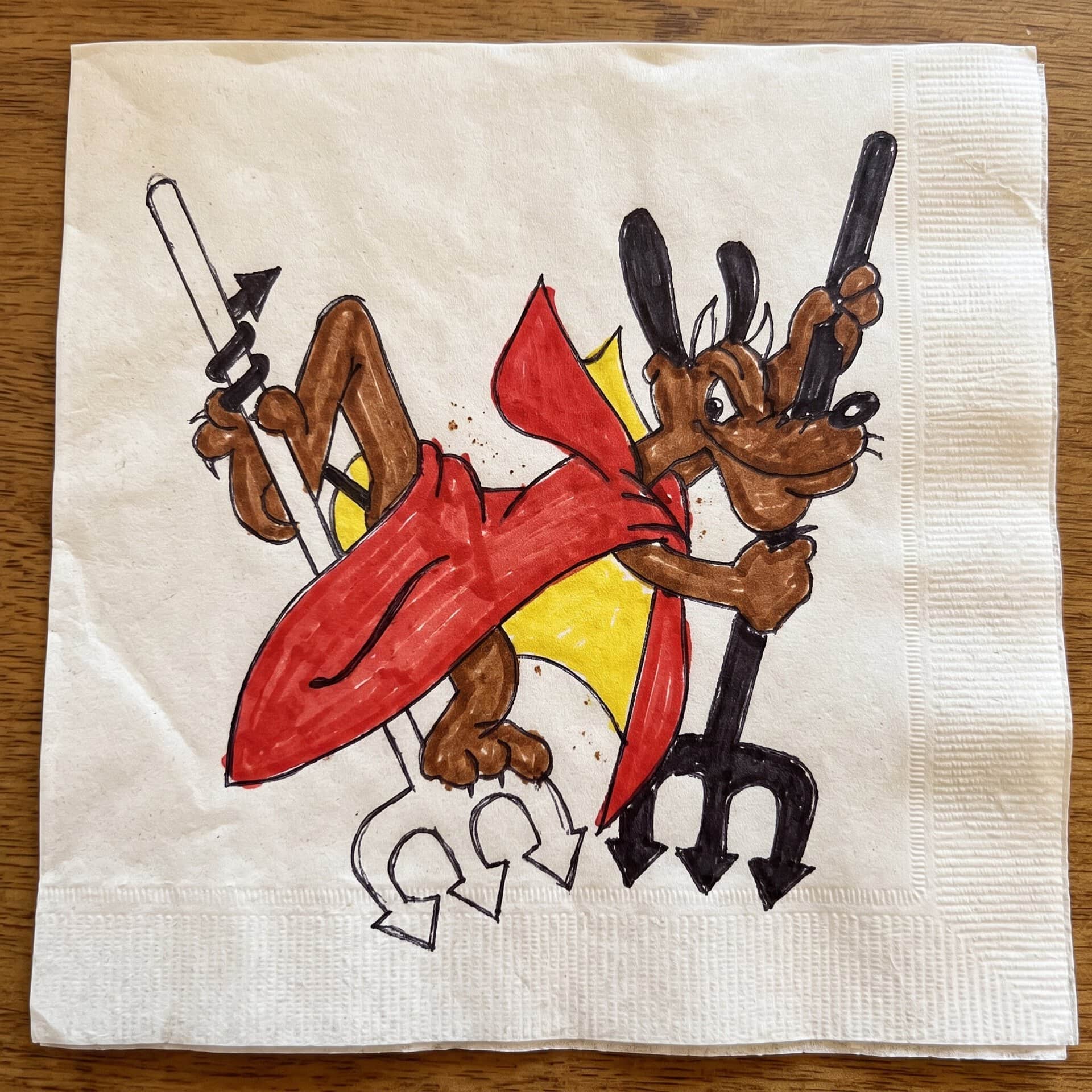
Walt Disney personally designed the Devil Pup logo. The process was facilitated by Bill Hendricks, then Director of Public Affairs and a former Marine major, who arranged a meeting at the Los Angeles Country Club with Duncan Shaw and Walt Disney. Inspired by Hendricks’ founding of the Toys for Tots Program and Disney’s previous work on its logo, Disney sketched the Devil Pup logo on a napkin during the meeting. The logo has been used ever since.

Program Structure and Support

In the early years, the program operated without many of the constraints seen today. The base commander at Camp Pendleton had the authority to provide everything necessary for the camp—including meals, lodging, transportation, and medical care—without being limited by the legal and financial regulations that apply today. Similarly, Chief William Parker and Police Commission President Duncan Shaw had broad discretion to support the program through the Los Angeles Police Department. Their backing included bus transportation, involvement of Juvenile Division staff, and other resources, all with wide civic support. Liability insurance and related concerns, which are significant today, were not major issues in the program’s early decades.
HISTORICAL LEGACY

Marine Corps Reserve Involvement

From 1954 until the late 1970s, the Marine Corps awarded retirement points to Reserve members who participated in Devil Pups activities. This policy greatly aided planning, publicity, fundraising, and camp operations. Eventually, a Department of Defense ruling prevented the reserves from spending government resources on the program, which led to fewer encampments and increased fundraising demands. Ultimately, the number of yearly summer encampments decreased from three to one because of funding and space constraints.
Geographical Expansion and Challenges

For decades, the San Francisco Bay Area—especially Marines from the Marine Memorial Club—actively participated in the program. Over time, Bay Area participation declined, and Devil Pups became more concentrated in Southern California. In recent years, the program has expanded into Northern California, Arizona, Nevada, and Utah, but logistical challenges and limited fundraising have restricted further growth. Despite these hurdles, the program remains grateful for the partners who recruit and support youth from distant areas.

Encampments and Philosophy

In its early days, the program hosted multiple summer encampments, each serving approximately 200 to 300 youth. Admission was largely determined by volunteer capacity, transportation availability, and minimal paperwork. The prevailing philosophy was to bring as many young people as possible to Camp Pendleton and trust that the camp staff would accommodate them—which they consistently did. One notable encampment in the mid-1970s involved Marine Captains Tom Vetter and Keith Bushey, Staff Sergeant Rudy Obad, and Gold Star Mother Lupe Rodriguez, who served as a liaison officer. They sent more children than expected—106 in all—arriving with only a 44-passenger bus after staff had initially said there was no additional room. The staff ultimately made accommodations for everyone, exemplifying the program’s commitment to inclusion. That bus was quite a sight, as were the expressions of the encampment staff when it arrived at Camp Pendleton!

Opening the Program to Girls

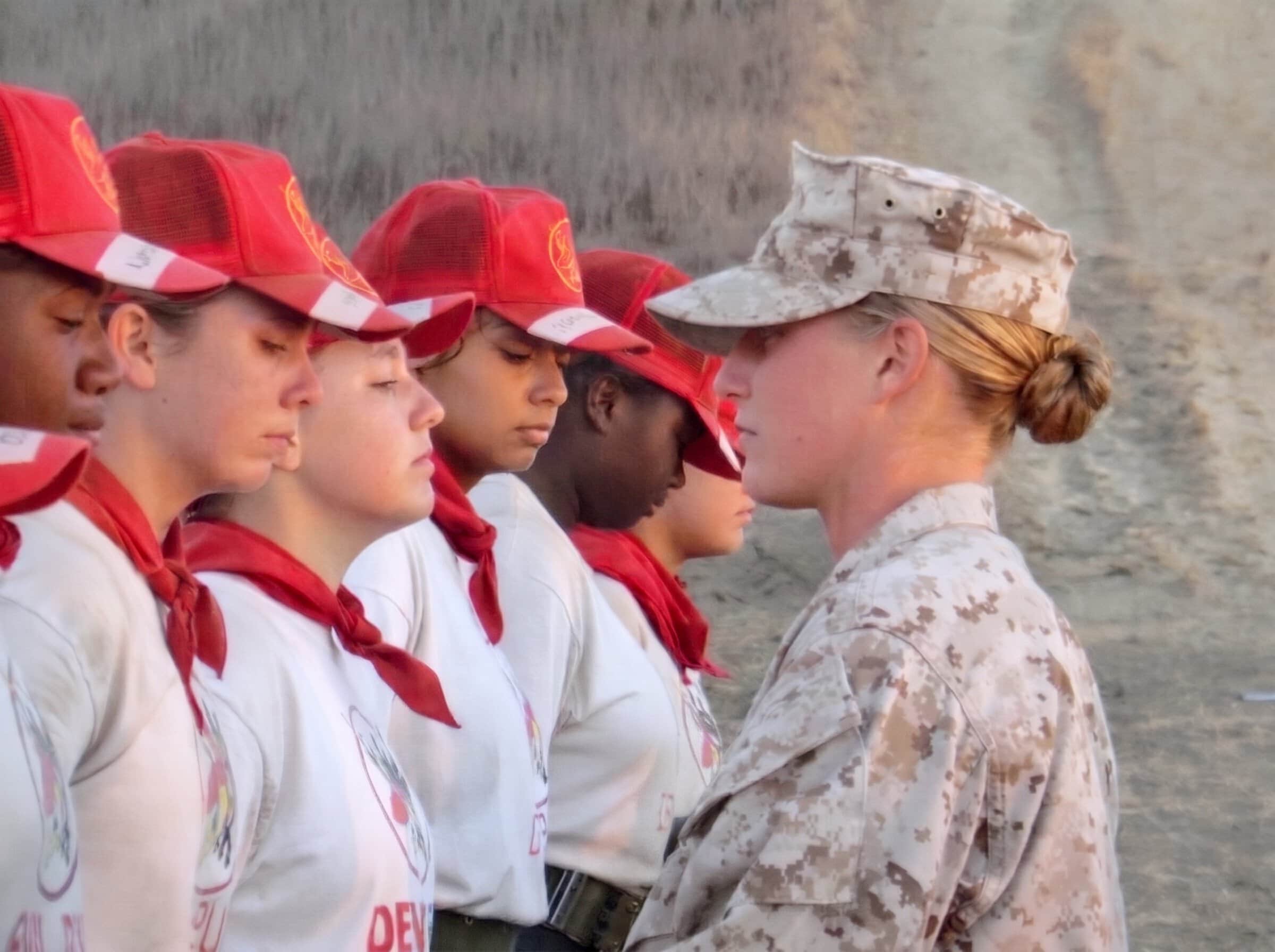
For many years, Devil Pups was limited to boys, based on the belief that girls would not be interested in or able to participate. In 1997, the program opened to girls despite spirited debate among veteran Marines. Initially, some believed that few girls would apply; however, applications from girls grew rapidly, and many became top performers. Alumni now include many former female Devil Pups who have excelled in the military, law enforcement, and other fields. It was later revealed that a mother’s complaint about her daughter’s exclusion reached the USMC chain of command, contributing to the determination that the prohibition was discriminatory. To continue operating at Camp Pendleton, Devil Pups was required to admit girls, who have thrived in the program ever since.

Legacy and Continuing Mission

Devil Pups has a rich heritage and is proud to have influenced the lives of more than 55,000 youth. Although financial and logistical challenges have brought many changes, the program’s primary goal remains unchanged since its founding in 1954: to provide military-style training and an environment that helps young people excel.

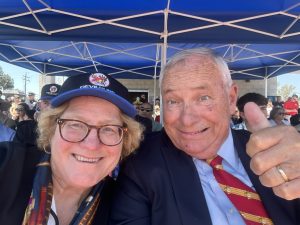
Information compiled and provided by Mrs. Susan Shaw Hulbert and Colonel Keith Bushey.
September 2026